
This is a portfolio-decision update, not a recommendation to copy my allocation. I have previously written about why I find Rocket Lab interesting as an investment. This post explains why I have now made it my largest position.
I have sold a number of smaller positions and bought another 1,000 Rocket Lab shares. That takes my holding to 2,000 shares, worth roughly £100,000 at the time of writing and representing about 50% of my portfolio.
This is not a routine rebalance. It is the clearest expression of my current conviction, and it comes with a level of concentration risk that I need to acknowledge plainly.
Why I acted during the sell-off
Rocket Lab shares have fallen sharply. I cannot know precisely what is driving any individual day’s move. One material issue investors are assessing is the proposed Iridium transaction, the financing required to complete it and the potential dilution for existing Rocket Lab shareholders. Those are legitimate concerns, not noise to dismiss because I like the company.
The June 2026 merger agreement gives Iridium shareholders $27.00 in cash plus Rocket Lab stock. It also contemplates a 364-day senior secured bridge facility of up to $3.6 billion. A transaction of that size changes the financial conversation around Rocket Lab, and the market is right to scrutinise it.
My decision was not based on the view that these concerns do not matter. It was based on the view that the sell-off gave me a better entry point into a business whose long-term operating opportunity still looks unusually strong.
What I am underwriting
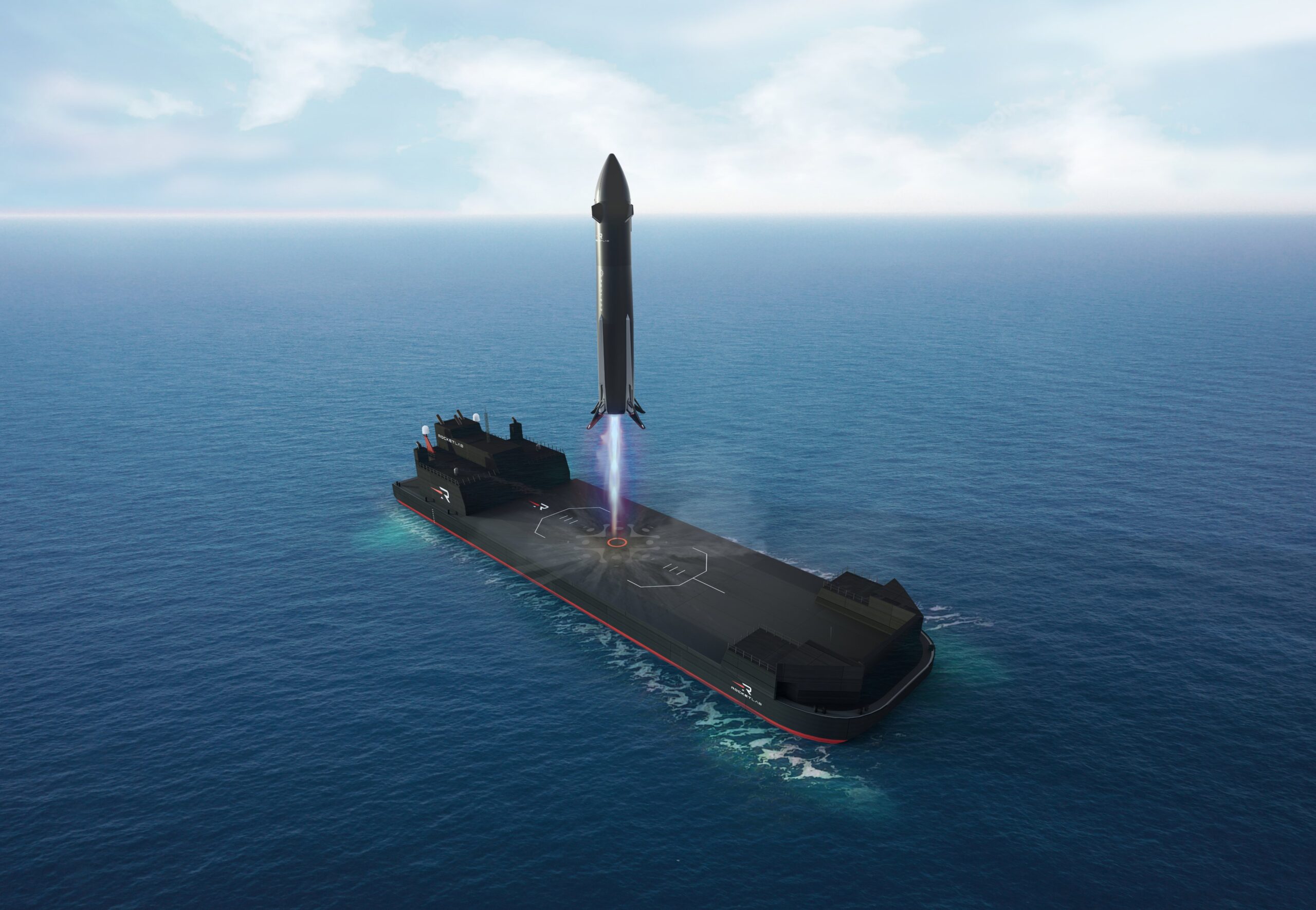
I see Rocket Lab as more than a launch company. Electron launch, spacecraft systems, components, national-security work and the development of Neutron create several ways for the company to compound if execution remains strong.
The Space Systems business is a major part of the thesis
The part of the business I think can be underestimated is Space Systems. Rocket Lab does not only build hardware for its own missions. Its filings describe a business that designs and manufactures many of the components and subsystems used in its launch vehicles and spacecraft, while also selling spacecraft components into the wider merchant market.
That matters because it creates revenue opportunities beyond Rocket Lab’s own launch cadence. Solar cells, composite structures, separation systems, flight software, reaction wheels, spacecraft buses and other mission-critical components can be supplied to other satellite and space manufacturers. The long-term opportunity is not simply to launch more rockets. It is to participate in more of the value chain when other companies build spacecraft too.
I also like the acquisition strategy behind that ambition. Rocket Lab has been buying capabilities that can deepen vertical integration and solve difficult supply constraints. The completed Mynaric acquisition added laser optical communications technology and strengthened the company’s position in launch services, spacecraft manufacturing and satellite components. The proposed Motiv acquisition would bring solar-array drive assemblies, precision mechanisms and robotics in house, which the company describes as addressing a critical gap in its vertical-integration strategy.
That does not mean every acquisition will work. Integration, capital allocation and execution risk are real, particularly while Rocket Lab is also developing Neutron. But I see a deliberate pattern: buy strategic products and capabilities, reduce dependence on constrained suppliers, use them inside Rocket Lab’s own missions and retain the ability to sell into the broader space market.
The proposed Iridium transaction takes that strategy another step. It would combine Rocket Lab’s launch and spacecraft manufacturing capability with a global satellite communications network and spectrum assets. The financing and dilution questions are therefore not a side issue. They are the price and risk of trying to build a more fully integrated space company.
The most important point is that execution continues to produce evidence. In July, Rocket Lab announced full mission success for VICTUS HAZE, an end-to-end responsive-space mission for the U.S. Space Force. It also announced a full-duration hot-fire test of the Archimedes Vacuum engine, a meaningful development on the path toward Neutron.
Neither milestone removes the risk around Neutron, future funding or the Iridium deal. They do reinforce why I remain interested. The company is trying to become an integrated space business with launch, spacecraft and services capability, rather than a one-dimensional bet on a single rocket.
Why I sold smaller positions
I did not make this change because diversification is bad. Diversification is often sensible, especially when conviction is low or an investor cannot follow every holding closely enough.
For me, the question became whether several smaller positions offered a better prospective return than putting that capital into the company I understand best and feel most committed to following. My answer, at this point in time, was no.
That is a personal judgement, not a universal rule. A concentrated portfolio can be emotionally difficult and financially punishing when the thesis is wrong. I am not presenting this as a safe allocation. I am presenting it as my most honest expression of conviction.
The uncomfortable part of a 50% position
A 50% position changes the emotional reality of investing. A difficult week in Rocket Lab will have a meaningful effect on my portfolio. I will not be able to pretend that volatility is irrelevant, and I should not allow price movement alone to dictate the next decision.
The responsibility is to follow the facts, not defend the purchase. If operational execution weakens, Neutron slips materially, the economics or financing of the Iridium transaction deteriorate, or the overall investment case changes, I need to reassess without anchoring to the size of the position.
What would strengthen or weaken my conviction
- Strengthen: continued Electron reliability, further national-security execution, tangible Neutron progress and disciplined financing of the Iridium transaction.
- Weaken: material Neutron delays, operating setbacks, a financing outcome that damages the long-term economics for existing shareholders, or evidence that the acquired assets cannot be integrated as expected.
My view now
I have chosen to be concentrated because I believe Rocket Lab has one of the strongest long-term opportunities in the public space market. That does not make it a certainty. It makes it the position I am most willing to study, hold accountable and accept real volatility in.
The next job is not to celebrate the size of the position. It is to keep testing the reasons I bought it.
Sources: Rocket Lab 2025 Form 10-K; Rocket Lab Q1 2026 Form 10-Q; Rocket Lab’s 29 June 2026 Form 8-K on the proposed Iridium transaction; Rocket Lab’s VICTUS HAZE mission update; Rocket Lab’s Archimedes Vacuum engine test update.
This is personal investing commentary, not financial advice. I own Rocket Lab shares and may buy or sell without updating this post immediately.
View my Portfolio · Read my original Rocket Lab thesis · Browse all RKLB writing